Hatchery Management: The CPU Research Center for Philippine Native Chicken Technique
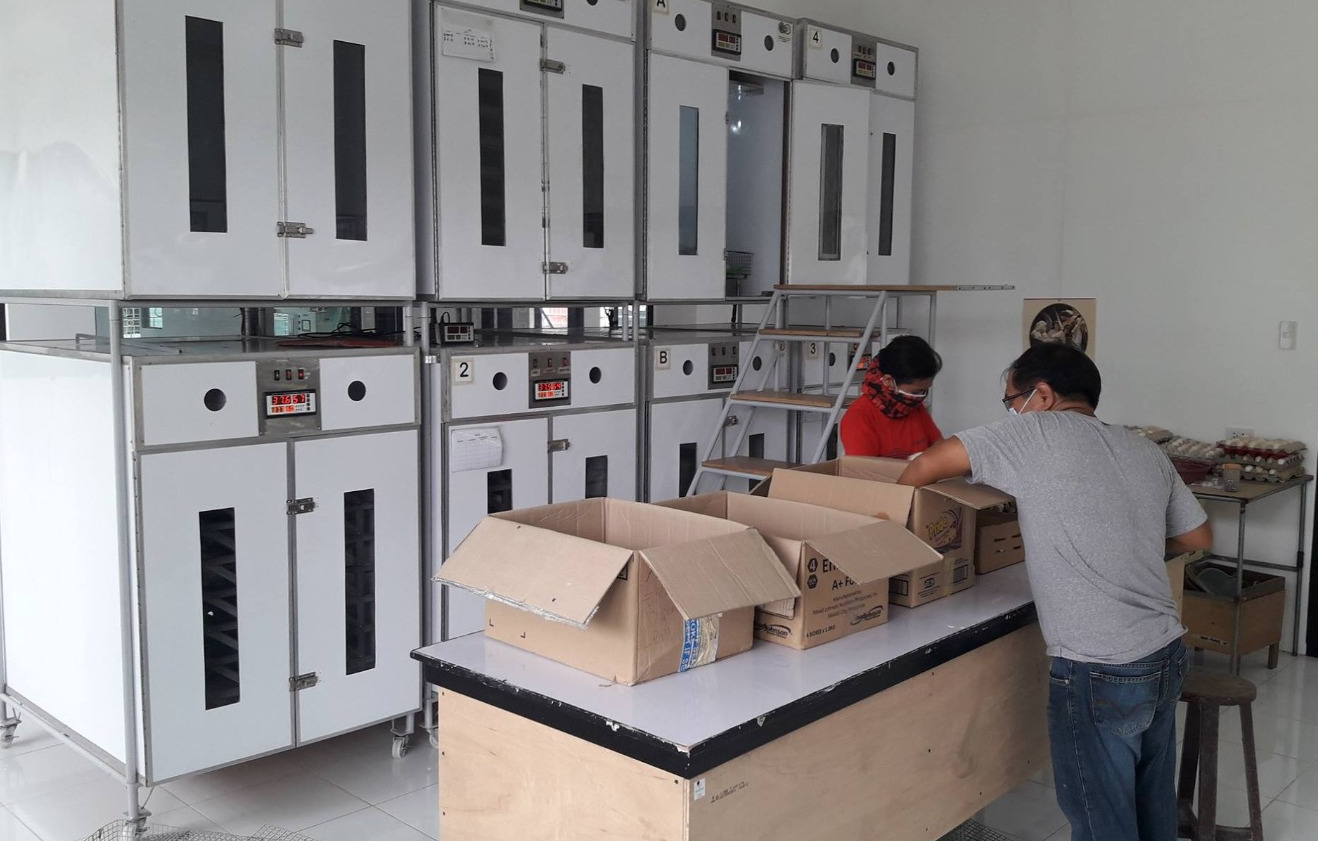
Hatchery management at the Research Center is the bridge between the breeding system and a successful grow-out operation. To overcome the intermittent hatching of backyard raising (where hens sit on their own eggs), CPU employs a scientific artificial incubation system. This system maximizes the number of "Day-Old-Chicks" (DOCs) hatched and ensures they are sufficiently hardy to survive the critical first month.
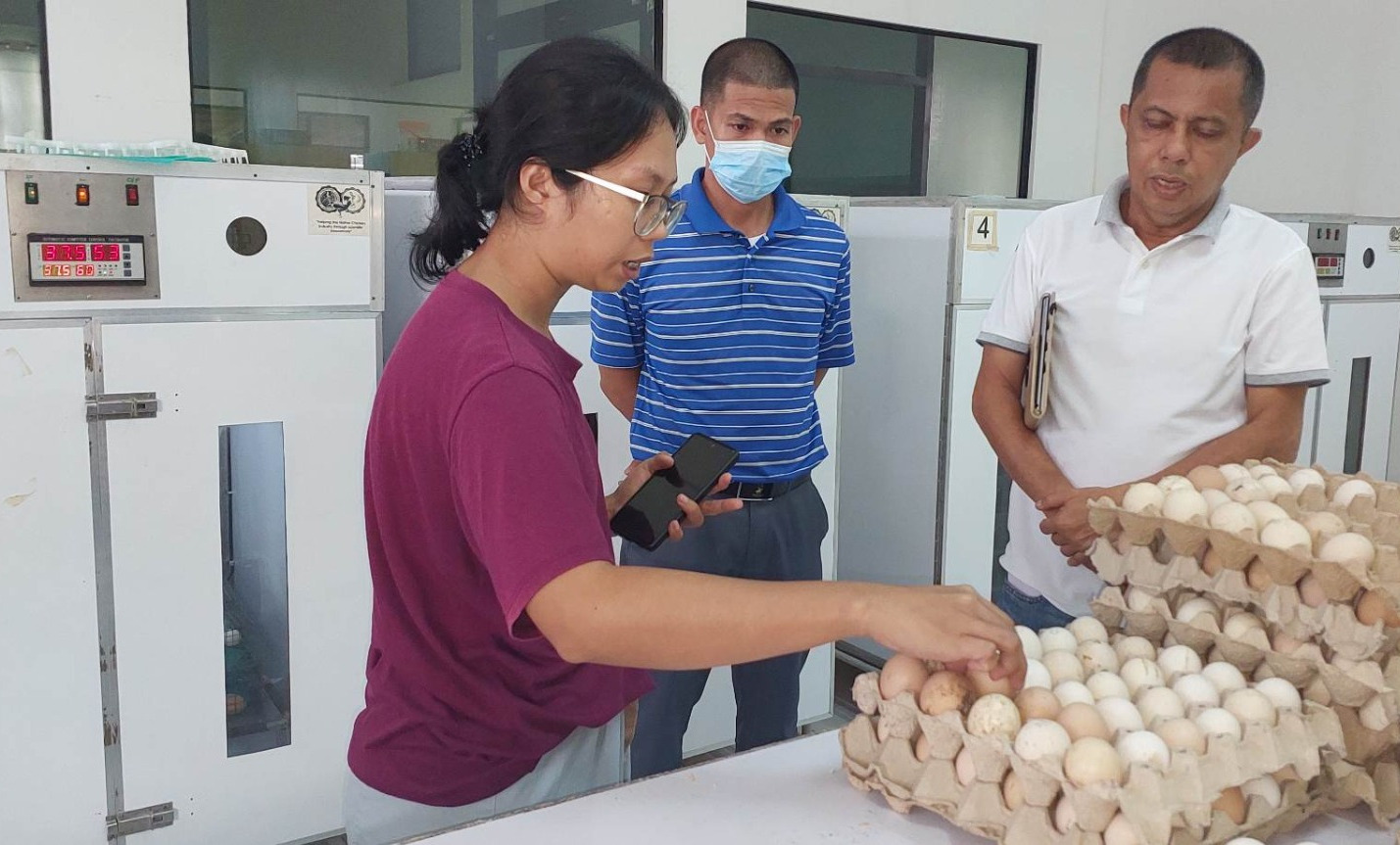
1. Egg Selection and Care (Pre-Incubation). Not every egg is fit for incubation. CPU protocols require strict "grading" to ensure high hatch rates:
- Collection. Eggs are collected daily to prevent contamination and broodiness in hens.
- Cleaning. Eggs are never washed with water (which will destroy the protective "bloom"). Instead, they are dry-cleaned or wiped with a specialized disinfectant.
- Storage. Eggs are stored in a cool, well-ventilated area (ideally 18 °C to 20 °C) for no more than seven days. Keeping eggs for more than a week significantly reduces the likelihood of successful hatching.
2. Artificial Incubation Process. The CPU method uses "Force-Draft" incubators, which provide a more stable environment than the hen itself. The process lasts for 21 days.
- Temperature control. The setter and hatcher are maintained at 37.5 °C to 37.8 °C (99.5 °F to 100 °F).
- Humidity. Relative humidity is maintained at 55-60% for the first 18 days in the setter, then increased to 62% during the final days (19th to 22nd) in the hatcher to soften the shell for the chick.
- Turning. Eggs are turned automatically every hour to prevent the embryo from sticking to the shell membrane.
Wanted to know more about candling and other hatchery management techniques? Please check it HERE for more information.